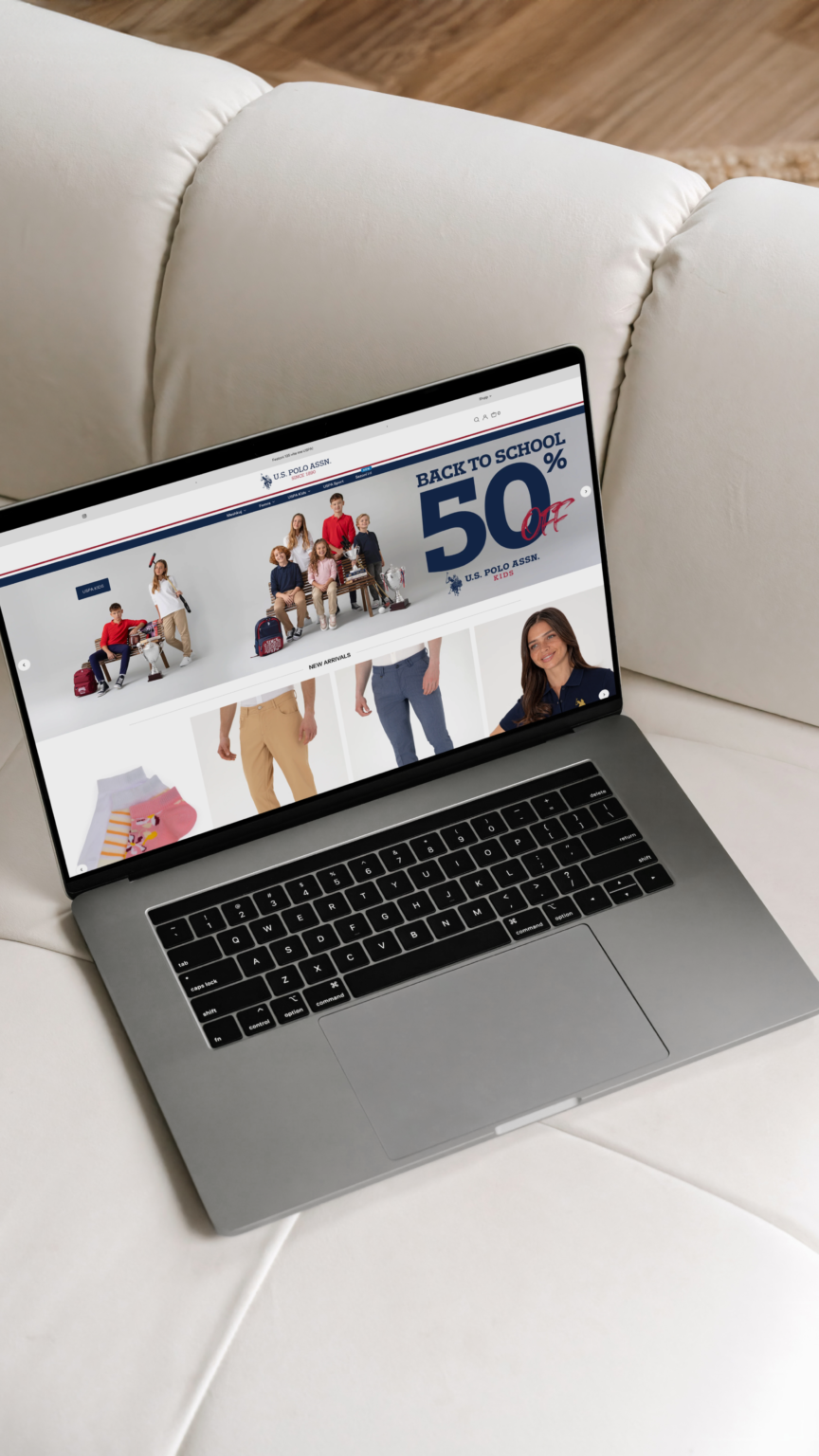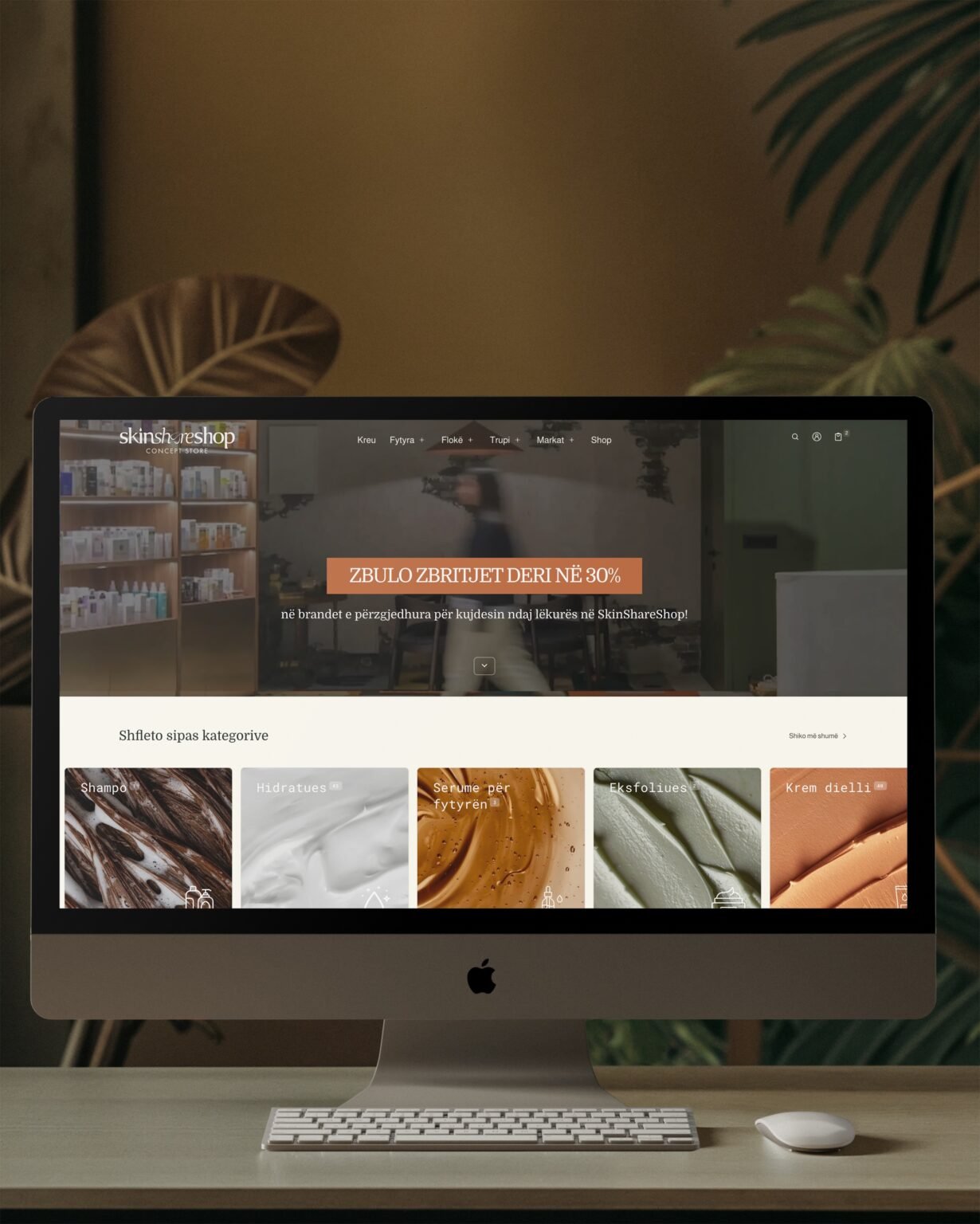
Shopify and WooCommerce are the two platforms we are asked about most often. Both can run a serious online store. They differ in how much you manage yourself, how costs are structured and how far you can customise. As a Shopify Partner that also builds on WordPress, we use both, and this is how we help clients choose.
How they work
Shopify is a hosted platform. You pay a monthly subscription and Shopify takes care of hosting, security and updates. You log in and manage your store.
WooCommerce is a free, open-source plugin for WordPress. You choose your own hosting and you are responsible for updates, backups and security, either yourself or through a maintenance plan.
Costs
- Shopify: a predictable monthly fee, plus the cost of any paid apps or themes you add.
- WooCommerce: no licence fee, but you pay for hosting, and often for premium plugins and ongoing maintenance.
Neither is automatically cheaper. The total depends on the size of the store and on what it needs to do.
Ease of use
Shopify is built only for selling, so the admin is focused and quick to learn. WooCommerce sits inside WordPress, which is more flexible but has more settings to understand. Teams that already use WordPress for their content usually feel at home with WooCommerce.
Customisation
Both platforms can be customised with code. On Shopify we build custom themes and integrations, for example connecting a store to an inventory system so stock stays in sync. On WooCommerce you have full access to the code and the database, which suits unusual requirements and content-heavy sites.
Maintenance and security
With Shopify, the platform handles the technical upkeep. With WooCommerce, regular updates and backups are essential, and they need someone responsible for them.
Which one should you choose?
Choose Shopify if:
- selling online is the main purpose of the website,
- you want as little technical maintenance as possible,
- you plan to sell through social media and marketplaces as well.
Choose WooCommerce if:
- you already have a WordPress website and want to add a shop to it,
- content such as a blog or landing pages matters as much as the shop,
- you need full control over hosting and code.
Our advice
Start from the business, not from the platform. List what you sell, how you manage stock, who will update the store and how you expect to grow. The right choice usually becomes clear from those answers.
See the online stores we have built in our work, or contact us and we will recommend the platform that fits your business.